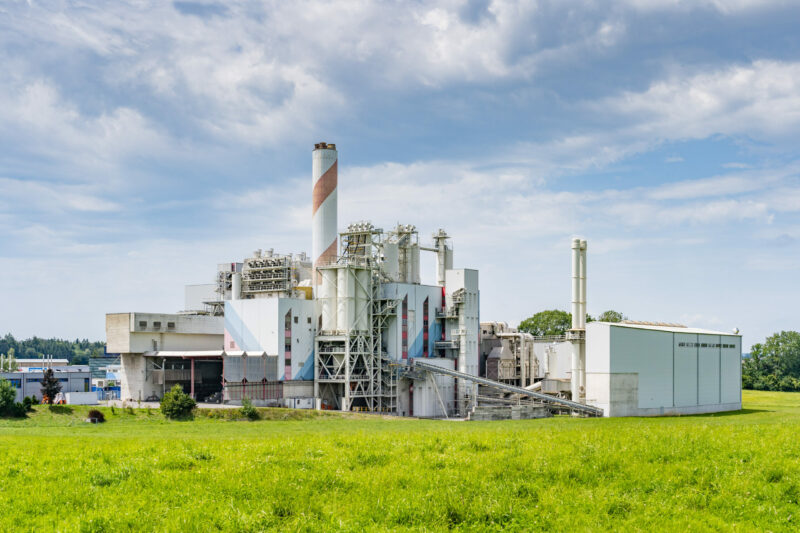

Cutting carbon emissions sounds simple enough until you look at the industries responsible for producing many of the materials we rely on every day. Cement, steel, chemicals and fuels all support modern life, but they can also generate significant amounts of carbon dioxide during production.
Renewable energy and improved efficiency can reduce some of these emissions, but they cannot always remove them entirely. This is where carbon capture comes in.
What Is Carbon Capture?
Carbon capture is a process that prevents carbon dioxide from entering the atmosphere. The CO2 is separated from other gases produced by industrial facilities, power stations or manufacturing processes before it can be released.
Once captured, the carbon dioxide is compressed so it can be transported by pipeline, ship, road or rail. It may then be stored permanently underground in suitable geological formations, such as depleted oil and gas reservoirs or deep saline aquifers.
This wider process is often known as carbon capture, utilisation and storage, or CCUS. The “utilisation” element refers to situations where captured CO2 is used to create products such as fuels, chemicals, building materials or other industrial goods.
How Does Carbon Capture Work?
There are several ways to capture carbon, depending on the industrial process involved. Post-combustion capture separates CO2 from exhaust gases after fuel has been burned. Pre-combustion capture removes carbon before combustion, while oxy-fuel combustion uses oxygen rather than air to create a gas stream with a higher concentration of CO2.
The equipment traditionally used for carbon capture can be large, expensive and energy-intensive. However, newer systems are being designed to take up less space, use less energy and integrate more easily with existing industrial facilities.
Working with experienced specialist CCUS companies can help industrial operators identify suitable capture technology and develop systems that reflect their available space, emissions profile and production requirements.
Why Is Carbon Capture Important?
Some industries can move towards electrification or renewable energy relatively easily. Others face a much more difficult challenge because carbon dioxide is released as part of the chemical reaction used to manufacture a product.
Cement production is a good example. Even when renewable electricity powers the facility, the process of turning limestone into cement still produces CO2. Carbon capture can address these process emissions directly.
It can also help industrial businesses reduce their environmental impact without immediately replacing entire facilities. Retrofitting capture technology may allow companies to continue producing essential materials while gradually moving towards lower-carbon operations.
What Are the Challenges?
Carbon capture is not a complete solution on its own. Projects need suitable transport infrastructure, safe storage locations, investment and supportive government policies. Capturing CO2 also requires energy, so systems must be designed carefully to avoid creating unnecessary costs or additional emissions.
Despite these challenges, carbon capture could play an important part in tackling emissions that are otherwise extremely difficult to remove.
Part of a Broader Transition
Carbon capture should work alongside renewable energy, energy efficiency, electrification and responsible resource use rather than replacing them. Its greatest value may be in heavy industries where other decarbonisation options remain limited.
As technology improves and infrastructure expands, carbon capture could help manufacturers lower emissions while continuing to supply the materials, products and services modern society depends on.