
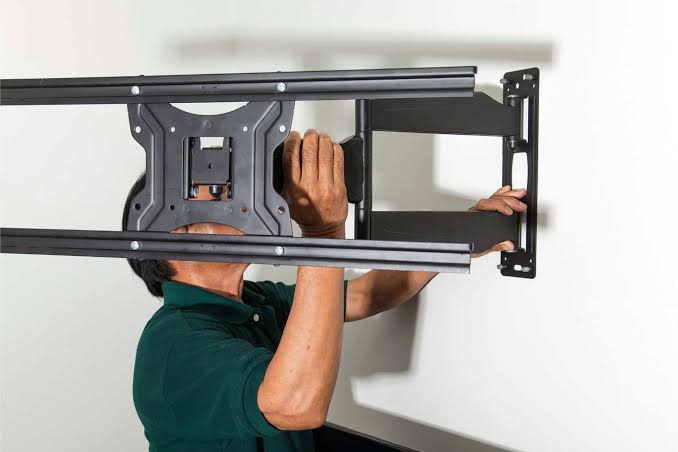

Mounting fixtures, shelves, cabinets, and wall accessories may seem like straightforward tasks, but small mistakes can lead to weak installations, damaged surfaces, and unnecessary repairs. Whether you are working on a home improvement project or completing professional construction work, understanding the most common mounting errors can help create safer and longer-lasting results.
Choosing the Wrong Fixing for the Surface
One of the biggest mistakes people make when mounting items is using the wrong type of fixing for the wall or material. Different surfaces, such as plasterboard, brick, concrete, and timber, all require specific solutions. A fixing that works well on one surface may fail completely on another.
For example, lightweight items may only need basic anchors, while heavier objects require stronger support systems designed to handle additional weight. Taking the time to identify the wall material before starting will help prevent loose fittings and potential damage.
Ignoring Weight Limits
Every mounting solution has a weight capacity, and exceeding that limit is a common cause of failure. A shelf, television bracket, or cabinet may appear secure at first but can become unsafe over time if the fixings are not strong enough.
Always consider both the weight of the item being mounted and any additional pressure it may experience during everyday use. Choosing high-quality products such as Fischer fixings can help ensure that installations are properly supported when working with suitable surfaces and applications.
Failing to Prepare the Installation Area
Another frequent mistake is rushing into installation without preparing the mounting area. Dust, debris, uneven surfaces, or old damaged fixings can prevent anchors and screws from gripping correctly.
Before drilling, clean the area and check for any issues that could affect stability. It is also important to measure carefully and mark the correct position before making holes. Accurate preparation reduces mistakes and helps create a cleaner final finish.
Using Incorrect Tools
The right tools can make a major difference in the quality of a mounting job. Using the wrong drill bit, an unsuitable screwdriver, or a tool that does not match the fixing can damage both the product and the surface.
For example, drilling into masonry requires different equipment compared with working on plasterboard or timber. Using appropriate tools helps maintain the strength of the fixing and prevents unnecessary cracks or damage.
Skipping Pilot Holes
Some installers attempt to drive screws directly into materials without creating a suitable starting point. While this may work in certain situations, it can cause splitting, cracking, or poor alignment.
Pilot holes help guide screws into position and allow fixings to secure more effectively. They are especially useful when working with delicate materials or when accuracy is important.
Over-Tightening Fixings
Tightening screws too much can sometimes cause more harm than good. Over-tightening can damage the fixing, strip screw heads, or weaken the surrounding material. The goal is to create a secure connection without putting unnecessary stress on the surface.
Using controlled pressure and checking the stability as you work will help avoid these problems.
Conclusion
Successful mounting depends on careful planning, the correct materials, and attention to detail. Avoiding common mistakes such as choosing unsuitable fixings, ignoring weight limits, or rushing preparation can make a significant difference to the safety and durability of any installation.
By understanding the requirements of each project and using reliable mounting solutions, both DIY users and professionals can achieve stronger results that stand the test of time.