
Many people expect acne to disappear once their teenage years are over. Yet for countless adults, breakouts continue well into their 20s, 30s, 40s, and beyond. Some individuals experience acne for the first time as adults, while others find that a problem they thought they had outgrown never fully goes away.
The frustrating part is that adult acne often behaves differently from teenage acne. It can appear in new areas, respond poorly to familiar treatments, and leave behind lingering marks that affect confidence. Understanding why this happens can help you make more informed decisions about managing your skin.
Key Takeaways
- Adult acne is influenced by several factors, not just hormones.
- Stress, lifestyle habits, skincare choices, and inflammation can all contribute to breakouts.
- Skin changes with age, which may affect how acne develops and heals.
- Consistent skincare and professional guidance often lead to better outcomes than constantly switching products.
- New approaches to skin support continue to emerge as researchers learn more about acne and skin health.
Adult Acne Is More Common Than Many People Realize
Many adults feel isolated when they continue to experience acne, but the condition is surprisingly common. Dermatologists regularly treat adults who struggle with recurring blemishes, clogged pores, and inflammatory breakouts.
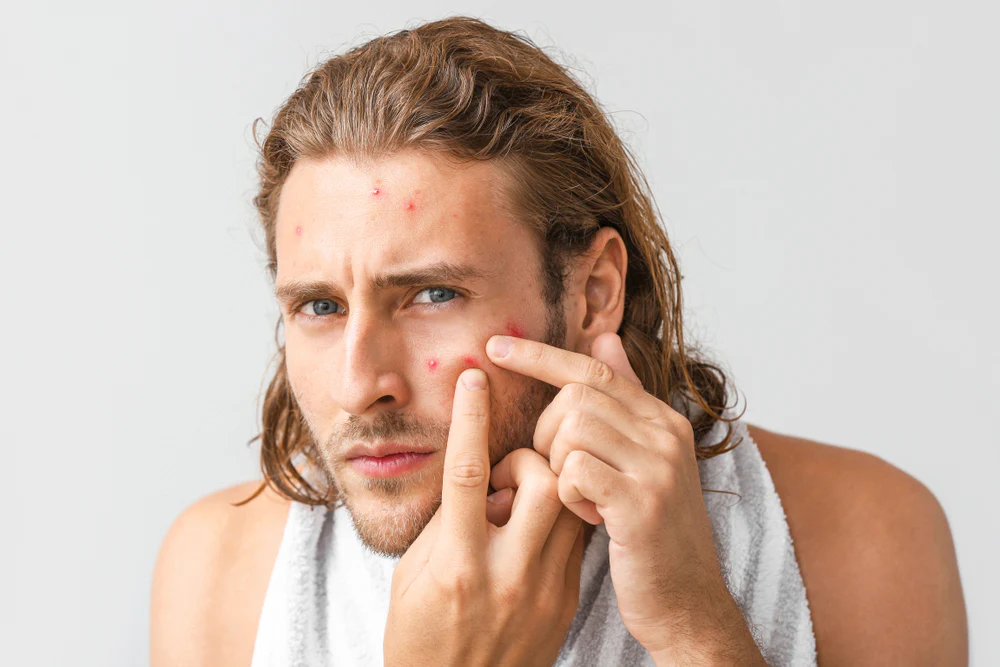
Unlike teenage acne, which often affects the forehead and cheeks, adult acne frequently appears around the jawline, chin, neck, and lower face. These breakouts may also feel deeper and take longer to heal.
As interest grows in non-invasive skin support methods, Red Light Therapy is increasingly being explored as part of broader conversations about skin wellness and recovery. While researchers continue to study its effects, this growing interest highlights how complex acne management can be and why people often seek multiple approaches to support healthier-looking skin.
Hormonal Changes Do Not End After Adolescence
Hormones remain one of the most significant drivers of adult acne. Women often notice flare-ups during specific life stages, including menstrual cycles, pregnancy, perimenopause, or menopause. Hormonal shifts can increase oil production and create conditions that encourage breakouts.
Men can also experience hormone-related acne, although the patterns may differ. Even subtle hormonal fluctuations can influence skin behavior over time.
Stress Can Trigger Persistent Breakouts
Modern life places constant demands on the body and mind. Work pressures, family responsibilities, financial concerns, and poor sleep can all contribute to elevated stress levels.
When stress increases, the body releases hormones that may stimulate oil glands and worsen inflammation. This combination can create an environment where acne becomes more difficult to control.
Many adults notice that their skin worsens during particularly stressful periods, even when they maintain the same skincare routine.
Your Skincare Routine May Be Working Against You
Many people assume that stronger products will produce better results. In reality, overusing harsh cleansers, exfoliants, or acne treatments can damage the skin barrier. When the skin barrier becomes compromised, irritation and inflammation often increase. This can make acne appear worse and prolong recovery times.
A balanced routine that supports skin health generally produces better long-term results than constantly introducing new products.
Lifestyle Habits Can Influence Skin Health
The connection between lifestyle and acne continues to attract scientific interest. Poor sleep, smoking, excessive alcohol consumption, and diets high in highly processed foods may contribute to inflammation in some individuals. While lifestyle factors do not directly cause every case of acne, they can influence how the skin responds to existing triggers.
Small improvements in daily habits often support overall skin health alongside other acne management strategies.
Inflammation Plays a Larger Role Than Many People Think
Acne is not simply about clogged pores. Inflammation influences every stage of the process.
Even before a visible breakout appears, inflammatory activity may already be occurring beneath the skin’s surface. This helps explain why some blemishes seem to develop suddenly and remain stubborn for weeks. Chronic inflammation can also increase the likelihood of post-acne marks and uneven skin texture.
Understanding Red Light Therapy and Adult Acne
Researchers continue to investigate various non-invasive approaches that may support skin health. Among these options, red light therapy has attracted growing attention within the skincare and dermatology community.
Studies suggest that specific wavelengths of red light may help support cellular activity and influence inflammatory processes within the skin. Scientists continue to evaluate its potential role in broader skin wellness strategies, including those related to acne-prone skin. While research remains ongoing, many experts view it as an area worthy of continued investigation rather than a standalone solution.
Why Adult Acne Often Takes Longer to Heal
Skin naturally changes with age. Cell turnover slows, collagen production decreases, and recovery processes may not work as efficiently as they once did.
As a result, adult breakouts often linger longer than teenage blemishes. Marks left behind after acne may also take more time to fade.
This slower recovery cycle can make acne feel more persistent, even when new breakouts occur less frequently.
Building a Long-Term Approach to Clearer Skin
Adult acne rarely has a single cause. Hormones, inflammation, stress, skincare habits, and lifestyle factors often interact in ways that make each person’s experience unique.
Instead of searching for a quick fix, many skincare professionals recommend focusing on long-term skin health. Consistency, patience, and evidence-based care typically produce better results than chasing every new trend.
Understanding the underlying factors behind adult acne can help you make informed decisions and create a routine that supports healthier skin for years to come.