
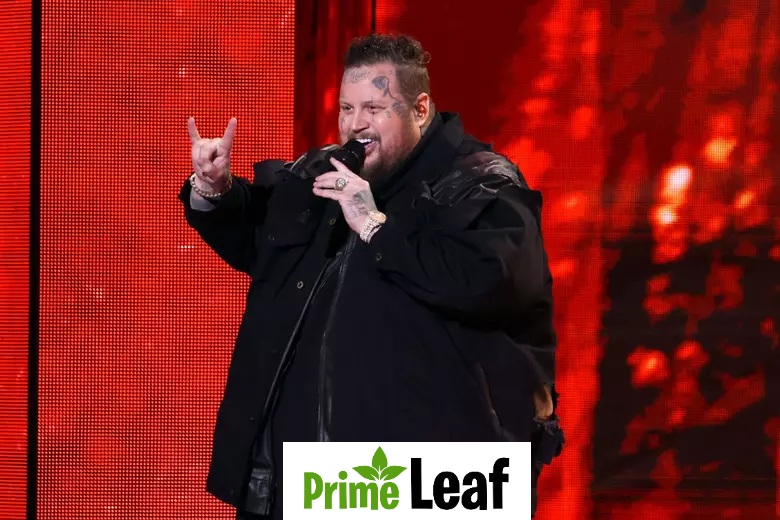

Few careers in American music contain the specific distance that separates Jelly Roll’s starting point from where he stands today. A kid from Antioch who spent his teens and twenties cycling through jail cells has become a Grammy-winning country star who testified before the United States Senate and received a full gubernatorial pardon. The journey is not a metaphor. It actually happened.
Jason Bradley DeFord — known professionally as Jelly Roll — was born on December 4, 1984, in Antioch, Nashville, Tennessee. A country/rap crossover artist whose mainstream breakthrough came in 2022, he has since won three Grammy Awards including Best Contemporary Country Album for Beautifully Broken (2026), received a full pardon from Tennessee Governor Bill Lee in December 2025, and built an estimated net worth of $16 million from a career that started in prison with a notebook and a pen.
Quick Facts
| Field | Details |
|---|---|
| Full Name | Jason Bradley DeFord |
| Born | December 4, 1984 |
| Birthplace | Antioch, Nashville, Tennessee |
| Nationality | American |
| Known For | Son of a Sinner; Need a Favor; Save Me |
| Genres | Country; Hip-Hop; Rock; Gospel |
| Wife | Bunnie XO (m. 2016) |
| Children | Bailee Ann DeFord (b. 2008); Noah DeFord (b. 2016) |
| Career Start | 2003 — independent hip-hop |
| Breakthrough | 2022 — mainstream country crossover |
| Grammy Awards | 3 — including Best Contemporary Country Album (2026) |
| CMA Award | New Artist of the Year (2023) |
| CMT Awards | 3 (2023) |
| Senate Testimony | Fentanyl crisis legislation — January 2024 |
| Pardon | Full pardon — Tennessee Governor Bill Lee (December 18, 2025) |
| Net Worth | ~$16 million estimated |
| Peak Weight | 500lbs (2020) — ongoing health journey |
Early Life: Antioch, Nashville
Jelly Roll grew up in Antioch — a neighbourhood on the southeastern edge of Nashville whose reputation in the 1990s was shaped by poverty, drug activity, and the specific hopelessness that concentrated disadvantage produces in the people who grow up inside it.
His childhood was unstable from the beginning — a household shaped by his parents’ struggles with addiction and the specific domestic environment that addiction produces. He has spoken openly about watching drug use at home from an early age and about the way that environment normalised the choices that would eventually consume his adolescence.
By age 14 he was already in contact with the juvenile justice system — the beginning of a cycle of incarceration that would continue for the better part of a decade and that would have permanently defined him in any conventional accounting of his prospects.
The Criminal Years: Incarceration Cycle
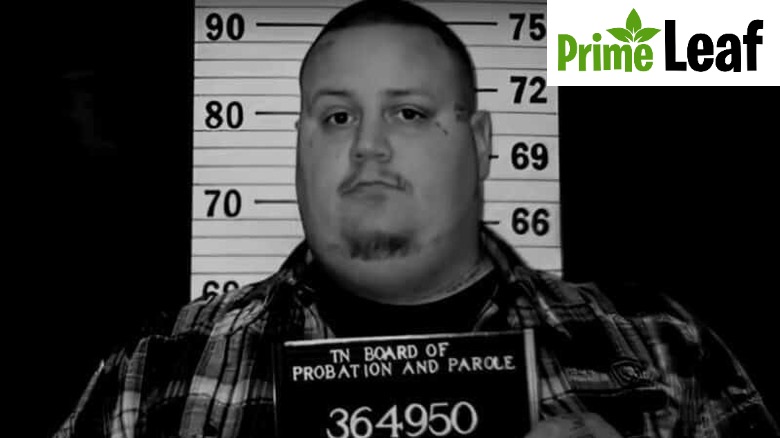
The charges that accumulated against Jelly Roll across his teenage years and early twenties covered the specific spectrum of offences that the drug economy of a neighbourhood like Antioch generates — drug possession, drug distribution, aggravated robbery.
He has described the cycle with the specific candour of someone who has processed the experience thoroughly enough to discuss it without either minimising it or performing remorse for public consumption. He made bad choices. The environment made those choices structurally likely. Both things were true simultaneously.
The aggravated robbery conviction was the most serious — carrying the most significant consequences and the longest period of incarceration. It was during one of his prison sentences that the specific conditions emerged that would eventually produce everything that followed.
The incarceration cycle lasted approximately from his mid-teens through his mid-twenties — roughly a decade in which the pattern of release, reoffending, and return was repeated with the specific regularity of someone whose circumstances outside made the trajectory inside feel almost inevitable.
Music as Survival: The Prison Years
Jelly Roll has described discovering music — specifically the capacity of writing lyrics to process experience and emotion — during his periods of incarceration. The prison environment, paradoxically, provided the specific combination of time, enforced reflection, and emotional pressure that serious creative work sometimes requires.
He began writing rap lyrics — drawing on the Southern hip-hop tradition that Nashville’s specific cultural geography made his natural starting point — and developing the vocal approach that would eventually make his crossover to country feel less like a genre switch than a natural expression of influences that had always been present.
The music was not initially a career plan. It was, in the most literal sense, a survival mechanism — a way of processing the specific weight of incarceration, regret, and the particular grief of watching years disappear inside a system that offers very little that resembles genuine rehabilitation.
Independent Hip-Hop Career: 2003–2020
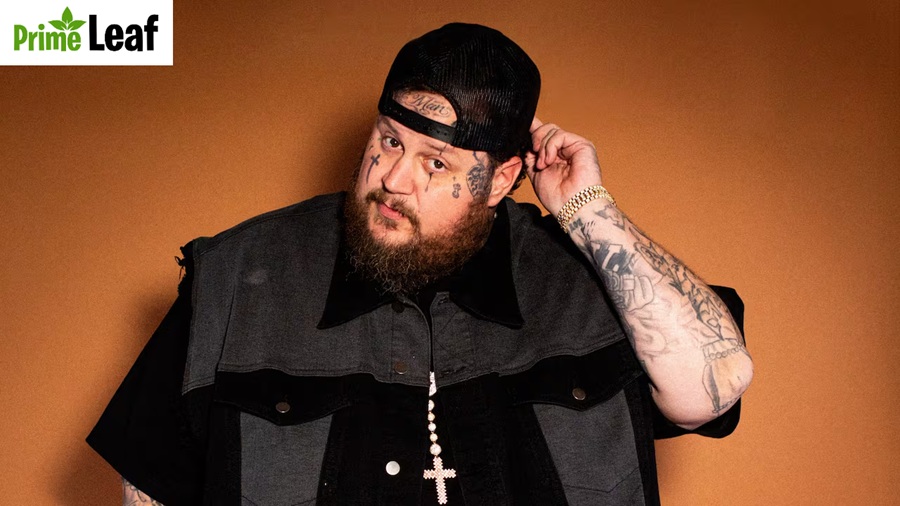
Following his releases from incarceration, Jelly Roll began building an independent music career — releasing mixtapes and collaborative projects through the Nashville underground rap scene that gave him both an audience and a professional network.
His early work was raw and unpolished in the specific way that music made outside commercial infrastructure tends to be — direct, autobiographical, and completely unconcerned with the kind of marketability that major label consideration requires.
He built his following entirely independently — no major label support, no significant radio play, no mainstream media coverage. His audience found him through word of mouth, through the specific loyalty that artists who speak genuine truth about recognisable experiences generate in the people whose lives those experiences reflect.
| Jelly Roll — Independent Career Highlights | Year | Project | Notes |
|---|---|---|---|
| Biggest Loser | 2011 | Mixtape | Early independent release |
| A Beautiful Disaster | 2020 | Album | Transition point toward mainstream |
| Self Medicated | 2021 | Album | Building crossover audience |
| Ballads of the Broken | 2022 | Album | Mainstream breakthrough begins |
By 2020 — at the peak of his physical difficulties, weighing approximately 500 pounds — he had built a genuinely substantial independent following without a single mainstream recognition. The foundation was solid. The breakthrough was coming.
The Genre Shift: Country Crossover
The transition from hip-hop to country/rock crossover was not a calculated commercial decision. It was the natural expression of influences that had always been present in his music — the Southern Gothic emotional register, the specific narrative tradition of country music’s best work, and the raw confessional honesty that the genre rewards when it is genuinely felt rather than performed.
His vocal approach — a specific combination of melodic singing and rap cadence that reflects both traditions simultaneously — made the crossover feel organic rather than opportunistic. He was not a rapper pretending to be a country artist. He was a Southern artist whose specific musical identity had always contained both traditions and who found, in the crossover moment, the audience that his hybrid approach had always deserved.
Mainstream Breakthrough: 2022
The 2022 breakthrough was the specific convergence of sustained independent work, genuine artistic development, and the cultural moment’s specific appetite for authenticity over polish.
Son of a Sinner — his breakthrough single — reached the top of the Billboard Country Airplay chart and introduced him to the mainstream country audience that his independent following had not previously reached. The song’s combination of country instrumentation, confessional lyric, and the specific emotional register of genuine redemption narrative connected with an audience that recognised the truth in it.
Need a Favor and Save Me followed — each demonstrating different dimensions of the same core artistic identity and collectively establishing him as one of the most compelling new voices in American country music.
| Breakthrough Singles | Chart Performance | Significance |
|---|---|---|
| Son of a Sinner | #1 Billboard Country Airplay | Mainstream breakthrough |
| Need a Favor | Top 5 Country | Confirmed staying power |
| Save Me | Major crossover success | Demonstrated full range |
The CMA New Artist of the Year award in 2023 — voted by the country music industry’s own membership — was the formal acknowledgment that the breakthrough was genuine rather than a novelty moment.
Wife: Bunnie XO
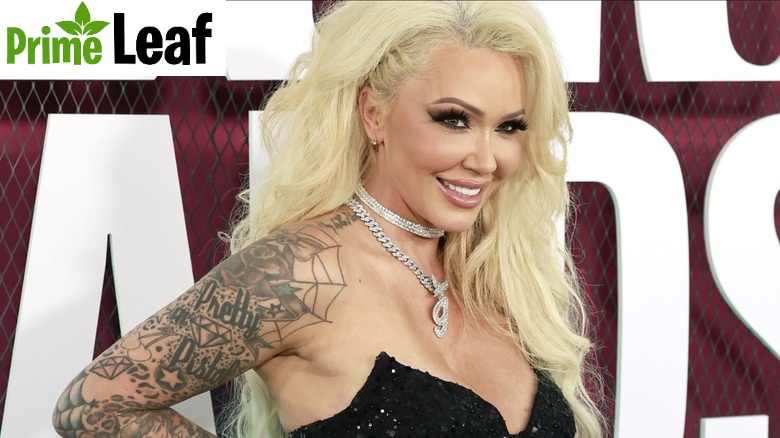
Bunnie XO — born January 6, 1980 — is a podcast host, model, and social media personality who married Jelly Roll in 2016 and has been one of the most visible and most genuinely committed presences in his public and private life.
Her podcast Dumb Blonde has built a substantial independent following — making her a professional figure in her own right rather than simply a celebrity spouse. She has spoken openly about her own difficult past — including periods of exotic dancing and substance use — creating the specific shared experiential foundation that makes their partnership feel genuinely complementary rather than simply romantic.
She has been publicly and consistently supportive of Jelly Roll’s career, his sobriety, his weight loss journey, and his public advocacy work — present at his Senate testimony, at his award acceptances, and in his most personal public moments with the specific quality of someone who is genuinely invested rather than performing support.
Children: Bailee Ann and Noah
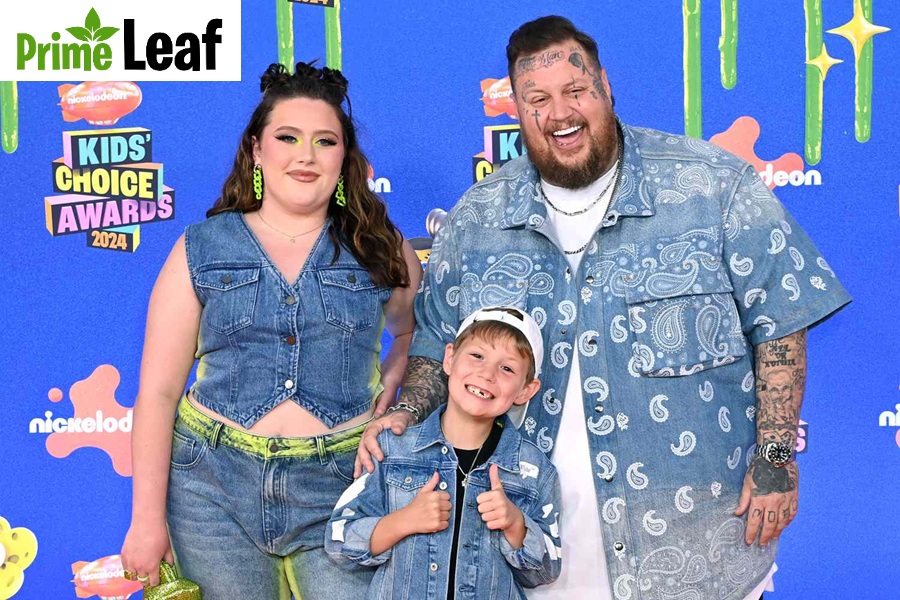
Bailee Ann DeFord was born in 2008 — while Jelly Roll was incarcerated. The specific circumstances of her birth — a father in prison, a childhood that began in the absence of consistent paternal presence — are part of the story he has told publicly and with genuine accountability.
He has described the guilt of his absence during her early years with the directness that characterises his entire public self-presentation — not minimising what his choices cost her but committing, in the years since, to being the father that the early years did not provide.
Noah DeFord was born in 2016 — the same year as his parents’ marriage — and has grown up in the significantly more stable household that Jelly Roll’s professional success and personal recovery have produced.
Both children have appeared in Jelly Roll’s social media and public life with the specific warmth of a father who understands, from personal experience, what paternal absence costs.
The Weight Loss Journey
At his heaviest in 2020, Jelly Roll weighed approximately 500 pounds — a physical reality whose health implications he has discussed with characteristic openness.
The weight loss journey — sustained across the subsequent years through a combination of dietary change, exercise, and the specific motivational force of wanting to be present for his children and his wife — has been one of the more publicly documented dimensions of his broader personal transformation.
He has spoken about the relationship between his weight, his emotional state, and the specific comfort-eating patterns that his difficult early life produced — contextualising the physical challenge within the broader psychological work that genuine recovery from trauma requires.
The journey is ongoing — he has not reached a specific target weight and presents the process as continuous rather than concluded. The honesty of that framing — refusing to present the story as already completed — is consistent with everything else about how he engages with his own narrative.
Senate Testimony: Fentanyl Crisis
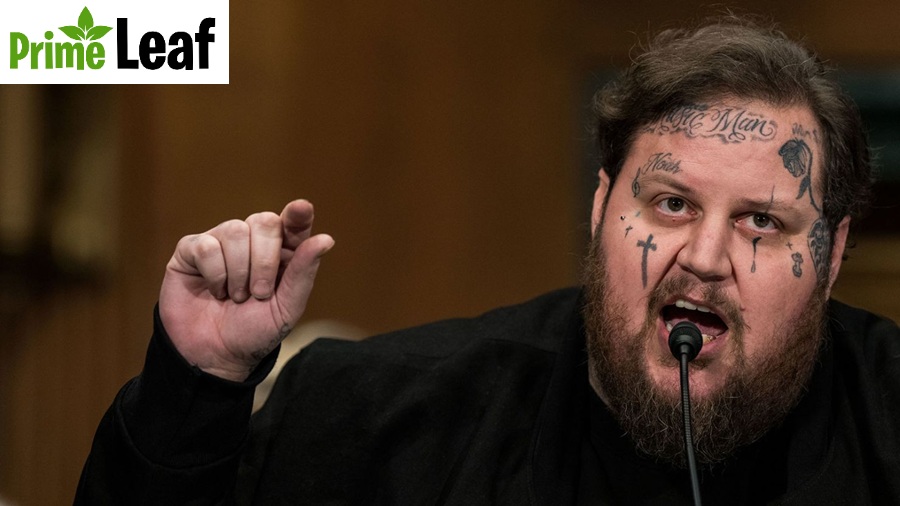
In January 2024, Jelly Roll testified before the United States Senate on the fentanyl crisis — bringing to one of America’s most formal legislative environments the specific authority of someone whose personal history with addiction and incarceration gives him knowledge that no policy paper can replicate.
His testimony was direct, emotional, and widely covered — a man who had lived inside the crisis speaking to the people responsible for addressing it with the specific credibility that lived experience provides and that official expertise alone cannot.
The appearance reflected both his personal commitment to the issue and the specific cultural moment in which his public profile had grown large enough to make his voice genuinely consequential in a legislative context.
The Tennessee Pardon
On December 18, 2025, Tennessee Governor Bill Lee granted Jelly Roll a full pardon — clearing the criminal record that his youthful offences had produced and that had followed him across the decades of his professional and personal transformation.
The pardon was both practically significant — removing the formal legal consequences of convictions that dated back to his teenage years — and symbolically powerful. It was the state’s formal acknowledgment that the person who had committed those offences was not the person who had testified before the Senate, won Grammy Awards, and built a career on honest reckoning with exactly those mistakes.
Jelly Roll’s public response to the pardon was characteristically direct — gratitude expressed without sentimentality, acknowledgment of the significance without inflation of it.
Grammy Wins: 2026
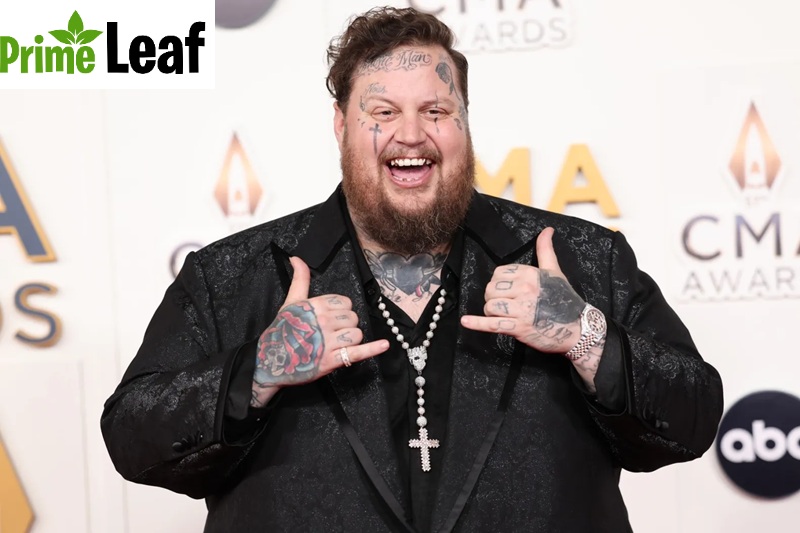
The 2026 Grammy Awards produced the formal peak of Jelly Roll’s critical recognition — three Grammy Awards including Best Contemporary Country Album for Beautifully Broken.
The wins confirmed what the CMA and CMT awards had established — that his crossover success was not a novelty moment but a genuine artistic achievement recognised across the full spectrum of the music industry’s evaluation mechanisms.
The specific significance of a former prison inmate winning the music industry’s highest formal recognition — for an album whose title, Beautifully Broken, directly references the personal history that produced both the music and the man — is complete and requires no elaboration.
Conclusion
Jason DeFord started writing lyrics in a jail cell because there was nothing else to do. He ended up testifying before the Senate, receiving a gubernatorial pardon, and winning three Grammys for music built entirely from the truth of where he had been. The distance between those two points is not inspiration. It is the specific result of sustained work, genuine honesty, and the decision — made repeatedly, under difficult conditions — to keep going.
Frequently Asked Questions
1. What is Jelly Roll’s real name? Jason Bradley DeFord — born December 4, 1984, in Antioch, Nashville, Tennessee.
2. What is Jelly Roll’s most famous song? Son of a Sinner — his breakthrough single that reached #1 on the Billboard Country Airplay chart in 2022.
3. Who is Jelly Roll’s wife? Bunnie XO — podcast host and model, married since 2016.
4. How many Grammys has Jelly Roll won? Three — including Best Contemporary Country Album for Beautifully Broken at the 2026 Grammy Awards.
5. Did Jelly Roll receive a pardon? Yes — Tennessee Governor Bill Lee granted him a full pardon on December 18, 2025.
6. How much does Jelly Roll weigh? At his heaviest he weighed approximately 500 pounds in 2020. He has been on a sustained weight loss journey since — current weight not publicly confirmed.