
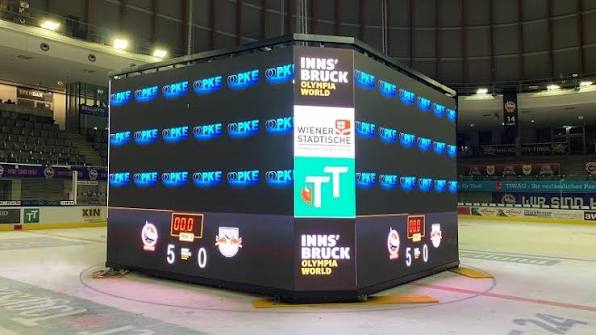

A scoreboard used to have one job: show the score. That is no longer true. Modern facilities, from high school stadiums to professional arenas, are treating the scoreboard as an asset that can pay for itself and then keep generating income long after installation. The shift is not just cosmetic. It reflects a real change in how facility operators think about the space above the field or court.
Why Are Sports Facilities Investing in LED Video Scoreboards?
Budgets for athletic facilities are tight almost everywhere, and operators are under constant pressure to find funding that does not rely solely on ticket sales or booster donations. A video scoreboard sits in the sightline of every fan in the building for the entire event, which makes it one of the most consistently viewed pieces of real estate on the property. Facility directors have started to notice that this visibility carries value well beyond keeping fans informed of the score and clock.
At the same time, expectations from fans, athletes, and broadcast partners have risen. Replays, sponsor content, live statistics, and in game promotions are now standard at many levels of competition, not just professional sport. A facility without video capability can start to feel dated, which affects everything from recruiting to event bookings.
How Do LED Scoreboards Create New Revenue Streams?
This is where the numbers start to matter. Understanding LED scoreboard revenue potential changes how a facility approaches the purchase decision in the first place. Rather than treating a scoreboard as a pure expense, operators increasingly model it as an asset with a payback period, funded through advertising panels, sponsorship packages, and premium content placements sold to local and regional businesses.
A single scoreboard can carry static sponsor logos, rotating digital ads, and dedicated moments during breaks in play, each of which can be sold as its own inventory. For a school or community facility, this can mean local businesses covering a meaningful share of the equipment cost within a few seasons. For a larger venue, a well sold scoreboard can become one of the more predictable revenue lines in the entire operating budget, since sponsorship contracts are often renewed year over year rather than sold one event at a time.
What Should Facilities Look for When Choosing a Video Scoreboard?
Not every scoreboard is built the same way, and the differences matter once revenue generation is part of the goal. Facilities exploring sports video scoreboards should look closely at pixel resolution and pitch, since sharper displays support a wider range of sponsor content, live video, and statistics without looking cluttered from the stands. Brightness and outdoor visibility matter for facilities without full shade coverage, and content management software matters just as much as the hardware, since a board that is hard to update will see less sponsor turnover and fewer selling opportunities.
Durability and warranty terms are also worth scrutinizing closely. A board that requires frequent repairs eats into any revenue it generates, and downtime during a live event reflects poorly on both the facility and its sponsors.
How Can Facilities Maximize Return on a Scoreboard Investment?
A few practices consistently separate facilities that see strong returns from those that do not.
Sell inventory before installation, not after. Facilities that line up sponsor commitments ahead of time often offset a meaningful portion of the purchase cost before the board is even switched on.
Diversify sponsor packages. Mixing static logo placements with rotating ads and live event mentions gives businesses at different budget levels a way to participate, which widens the pool of potential sponsors.
Refresh content regularly. Sponsors renew when they can see engagement. A board running the same static image all season gives them little reason to come back the following year.
Track and report engagement. Attendance figures, game footage, and even simple photos of the board in use during peak moments help justify sponsorship rates in renewal conversations.
What Other Benefits Come With Upgrading Scoreboard Technology?
Revenue is not the only reason facilities upgrade. A modern video scoreboard improves the in person experience for fans, supports live streaming and broadcast production, and gives coaches and athletic departments a tool for highlight reels and recruiting content. It also signals to the surrounding community that the facility is investing in its future, which tends to support attendance and donor confidence over time.
Bringing It Together
A scoreboard is no longer just a fixture that shows the score. Treated deliberately, it becomes a piece of infrastructure that pays sponsors for visibility, pays fans back with a better game day experience, and pays the facility back through a revenue stream that grows more predictable each season. For operators weighing the upgrade, the question is less whether a modern video scoreboard is worth the cost and more how quickly it can start covering it.