
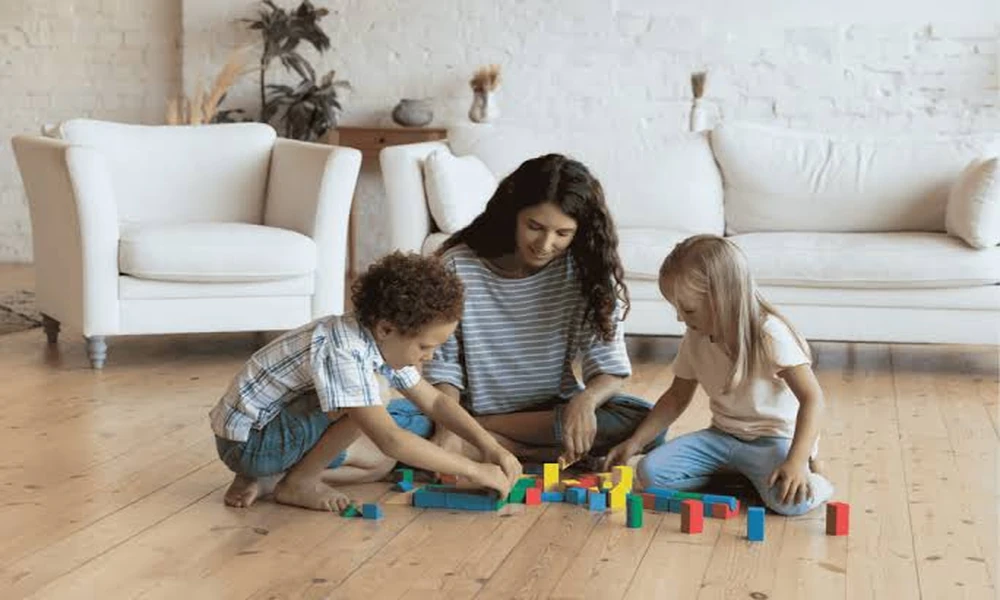

A house provides shelter, warmth, and somewhere to sleep, but creating a place that genuinely feels like home involves much more. For a child in the foster system, home can represent security, familiarity and a sense of belonging during a period of significant change. It should be an environment where they feel comfortable expressing themselves, asking questions, making mistakes and developing into their own person.
Every child’s experiences and needs are different, but certain aspects of home life can help children feel safe, valued and included. Often, it is not the size of a property or what is inside it that matters most, but the relationships, routines and experiences that develop there.
A Sense of Safety and Stability
Feeling safe is one of the foundations of a happy home. Children in foster care may have experienced uncertainty, disruption, or difficult changes before arriving with a foster family. Knowing that the adults around them are dependable can help them gradually feel more secure.
Stability can be particularly important for children who have experienced several changes in their lives. People considering fostering may want to learn more about fostering agencies in Manchester and the support available when providing a stable and caring environment for a child. For instance, they may be able to advise you that stability does not mean that every day has to be identical.
Simple routines, such as eating meals together, having regular bedtimes or enjoying particular weekend activities, can give children an idea of what to expect. Foster carers should also be patient, as it may take time for a child to trust these routines.
Having a Space of Their Own
Personal space can help a child develop a stronger sense of belonging. A bedroom, for example, can become somewhere they are able to express their personality and keep possessions that matter to them. Allowing a child to have some input into their surroundings can make a difference.
Choosing bedding, displaying photographs, or putting up artwork are relatively small things, but they can help transform an unfamiliar room into somewhere that feels personal. It is important to respect a child’s privacy while ensuring they know support is available whenever they need it.
Feeling Included in Family Life
A child is more likely to feel at home when they know their opinions and feelings matter. Inclusion can happen in ordinary situations, from deciding what to have for dinner to choosing an activity for a family day out. Foster carers should also recognise that a child may have important relationships, traditions and experiences outside the foster home. Supporting appropriate contact with birth family members and respecting a child’s background can help them feel understood and accepted.
Regular conversations about school, friendships, interests and everyday experiences can help adults understand what is happening in a child’s life, without making them feel pressured to talk before they are ready.
Creating Positive Memories Together
Some of the strongest associations with home come from shared experiences. These do not need to involve expensive holidays or elaborate days out. Baking together, watching a favourite film, walking the dog or playing a board game can all become meaningful memories.
Family traditions can be equally valuable. Birthday routines, seasonal activities and even a particular Friday-night meal can give children experiences to anticipate and remember. At the same time, foster carers should remain sensitive to the fact that certain occasions may bring up difficult feelings.
Home Is More Than a Place
Ultimately, what makes a house feel like home is rarely the building itself. Children in the foster system are more likely to develop a sense of belonging when they experience consistency, affection, respect, and involvement in everyday family life.
A welcoming foster home is created gradually through patience, routines, conversations and shared experiences. Providing a child with somewhere they feel secure and accepted can give them a foundation from which to grow, explore and face new experiences with confidence.